How Assumptions Can Mislead You At The Poker Table
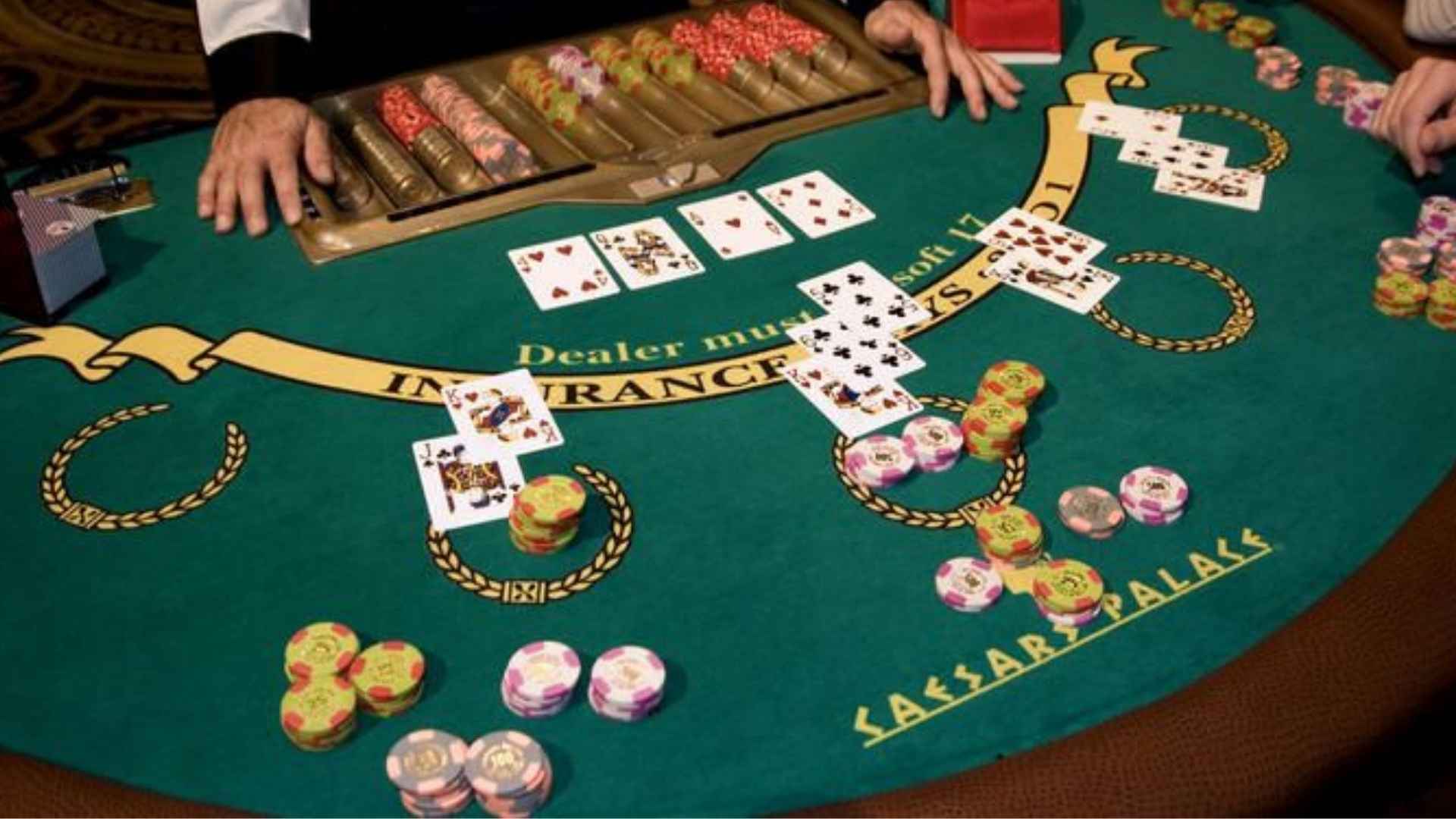
Making decisions at the poker table requires constantly interpreting incomplete information, which naturally leads many players to rely on mental shortcuts. While quick generalizations can streamline decision-making, unexamined assumptions often lead to miscalculating risks and misreading opponents. Understanding how preconceived notions distort reality is essential for developing a disciplined, objective approach to competitive play.
The Trap of Fixed Opponent Stereotypes
Players frequently categorize opponents too quickly based on initial impressions or short-term actions. Assuming an older player always plays conservatively or a younger player is perpetually aggressive ignores the dynamic nature of strategy. These rigid labels cause players to miss critical shifts in betting behavior as the session progresses.
When you lock an opponent into a fixed archetype, you stop actively processing new observations. This cognitive oversight makes it difficult to adjust when a passive player suddenly executes a well-timed bluff. Re-evaluating player tendencies continually ensures that your tactical adjustments remain grounded in real evidence rather than outdated impressions.
Overestimating the Meaning of Short-Term Results
Another common mistake is assuming that a small sample size of hands accurately reflects skill or table control. Winning several pots in a row can create a false sense of invincibility, leading players to assume their strategic reads are infallible. Conversely, a brief cold streak might cause someone to assume their sound strategy is fundamentally flawed.
Evaluating tactical choices through platforms like m88 casino can highlight how variance influences short-term outcomes in competitive gaming. Confusing temporary luck with long-term strategic execution compromises long-term profitability. True expertise involves evaluating the quality of decisions independently of immediate financial results.
Misinterpreting Opponent Strength Through Projection
Many competitors fall into the trap of projection bias, assuming opponents think exactly as they do. A player who prioritizes strict pot odds often assumes everyone else calculates risk using the same logical framework. This mindset leads to costly errors when facing unpredictable or purely intuitive opponents.
When you assume an opponent will fold to a standard continuation bet because it is mathematically correct, you risk running directly into an irrational call. Recognizing that every individual operates under different psychological triggers prevents overestimating predictable responses. Tailoring your strategy to actual opponent tendencies rather than personal logic creates a major strategic advantage.
Replacing Assumptions with Systematic Observation
Overcoming misleading assumptions requires shifting from intuitive guessing to structured data collection. Instead of deciding how a player operates after one hand, observe their showdown holdings and betting sequences over extended periods. Tracking physical timing, sizing patterns, and position dynamics provides concrete evidence to guide your choices.
Developing an objective mindset requires active discipline and a willingness to abandon flawed conclusions when new data emerges. Flexible players continuously test their hypothesis against table realities rather than clinging to initial beliefs. By replacing guesswork with methodical observation, you significantly reduce costly missteps and improve overall table performance.